

How Depression Therapy in 2026 Combats Mental Health Challenges
Mental health is a state of mental well-being that enables people to cope with the stresses of life, recognize their abilities, learn effectively, work productively, and contribute to their community. It has inherent and instrumental value and is integral to our well-being.
Although most people are resilient, individuals who experience circumstances such as violence, disability, trauma, or inequality may be at a higher risk of developing a mental health condition. Are you looking for effective depression therapy options for mental health? This article will break down therapy options and lifestyle changes to help you manage your mental health with the support of Empower Therapy Wellness.
Difference Between Anxiety and Depression
Anxiety involves persistent and excessive feelings of fear, worry, or nervousness that can interfere with daily life. These symptoms may include restlessness, difficulty concentrating, and physical tension. Depression, on the other hand, is characterized by persistent sadness, loss of interest in activities, low energy, and feelings of hopelessness.
Both anxiety and depressive disorders can co-occur, resulting in overlapping and complex symptoms that require professional evaluation. Seeking depression therapy for mental health can help individuals properly identify and manage these conditions.
Children may show irritability, anger, changes in sleep patterns, difficulty concentrating, or physical complaints such as headaches or stomachaches. They may also internalize their fears, leading to overlooked symptoms. Factors such as trauma, abuse, chronic stress, bullying, neglect, or a family history of mental health conditions can increase risk.
Common symptoms of both anxiety and depression include fatigue, sleep disturbances, irritability, difficulty concentrating, and changes in appetite. These symptoms can significantly interfere with everyday activities, making early recognition and treatment essential. Understanding these differences is the first step toward effective management and care.
Types of Depression
Major Depressive Disorder (MDD) is the most common type and involves symptoms that last most of the day, nearly every day, for at least two weeks. This condition can significantly impair daily functioning and may include recurrent negative thoughts, feelings of worthlessness, or thoughts of self-harm that require immediate professional support.
Persistent Depressive Disorder (PDD) involves symptoms that may be less severe than MDD but last for two years or longer. Children and adolescents experiencing depression may appear to be withdrawn, irritable, or unmotivated. Early identification is critical for effective intervention.
Depression Therapy for Mental Health
Treating depression often involves a comprehensive, evidence-based approach that may include medication, psychotherapy, and lifestyle interventions. Effective depression therapy for mental health focuses on addressing both emotional and physical symptoms to create long-term stability.
Medication management can be effective, particularly when combined with therapy. Commonly prescribed antidepressants are FDA-approved and should be monitored by a licensed healthcare provider.
Psychotherapy, such as Cognitive Behavioral Therapy (CBT), Interpersonal Therapy (IPT), and other evidence-based modalities, plays a central role in treatment and may be recommended alone or alongside medication.
Lifestyle Strategies That Support Recovery
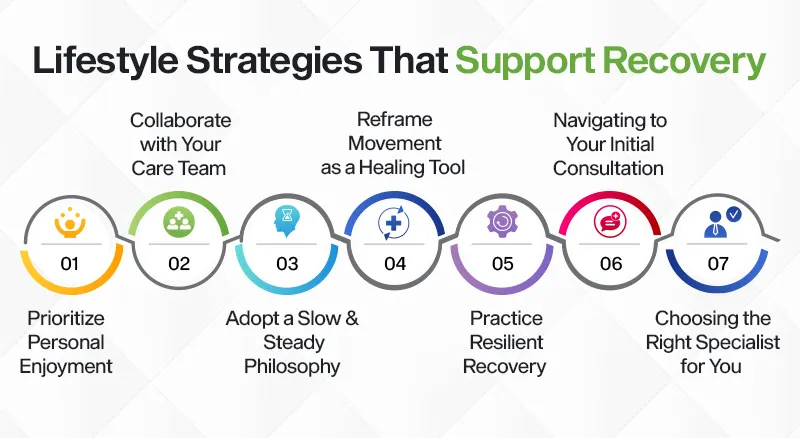
Prioritize Personal Enjoyment
The most effective workout is the one you genuinely enjoy and can’t wait to do. Reflect on what activities bring you a sense of peace or playfulness. Whether it’s tending to a garden, a sunset bike ride, or a dance session in your living room, choosing an activity that feels like a reward rather than a punishment is the key to longevity.
Collaborate with Your Care Team
Consult with your primary care provider (PCP) or licensed mental health professional to align physical activity with your overall treatment plan. They can offer personalized guidance based on your energy levels and clinical needs.
Adopt a Slow and Steady Philosophy
Avoid the trap of setting monumental goals that lead to burnout. Start with small, achievable milestones, even just ten minutes of movement, and gradually increase your intensity as your stamina grows. Customize your plan to your current reality, not an idealized version of it.
Reframe Movement as a Healing Tool
Instead of viewing exercise as a chore, consider it a supportive component of your treatment plan. Physical activity has been shown to improve mood, reduce stress, and support overall brain health.
Practice Resilient Recovery
Challenges are part of the recovery process. If you miss a day or experience a setback, respond with self-compassion rather than self-criticism. Progress is not linear, and consistency over time matters most.
Navigating to Your Initial Consultation
Depression therapy for mental health often begins with a primary care physician or a mental health specialist. These initial conversations are designed to build a comprehensive picture of your history and current challenges.
- Preparation is Key: Before your appointment, consider noting your symptoms, how long they have lasted, changes in sleep or appetite, and any recent life stressors.
- The Diagnostic Process: Your provider may ask structured questions to assess emotional, behavioral, and physical symptoms. This process helps determine an accurate diagnosis and the most appropriate treatment plan.
- Accessing Support: Utilize modern tools and provider directories to find specialists to offer the specific level of care you require.
Choosing the Right Specialist for You
The relationship between a therapist and a client is a collaborative partnership. Depending on your needs, you may benefit from a specialist in trauma, family dynamics, addiction recovery, or mood disorders.
Empower Therapy Wellness provides outpatient mental health services and individualized treatment plans for conditions such as major depressive disorders and anxiety disorders. Our experienced professionals are committed to delivering accessible, high-quality depression therapy for mental health tailored to your goals.